£10m Nissan-led project changes the game on EV charging
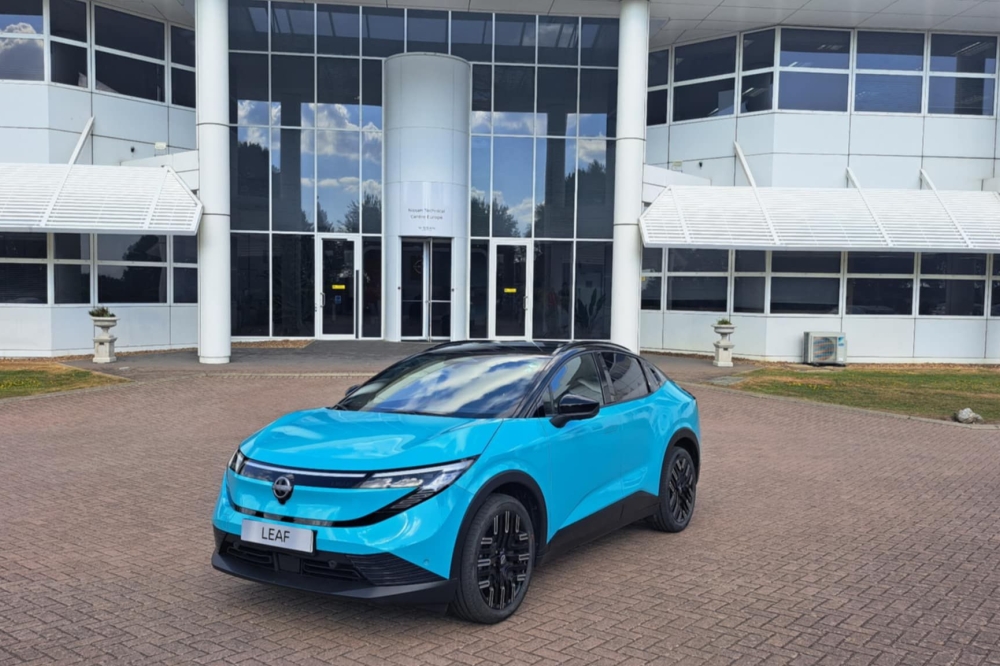
Engineers at Nissan Technical Centre Europe (Cranfield, UK) will lead a three year £10 million Government-backed collaborative research project that aims to change how EVs are charged, powered and experienced.
Project SUITE - short for Smart Use of Integrated Technology for EVs – addresses the rising costs of home energy and public charging, improving EV efficiency, affordability and sustainability.
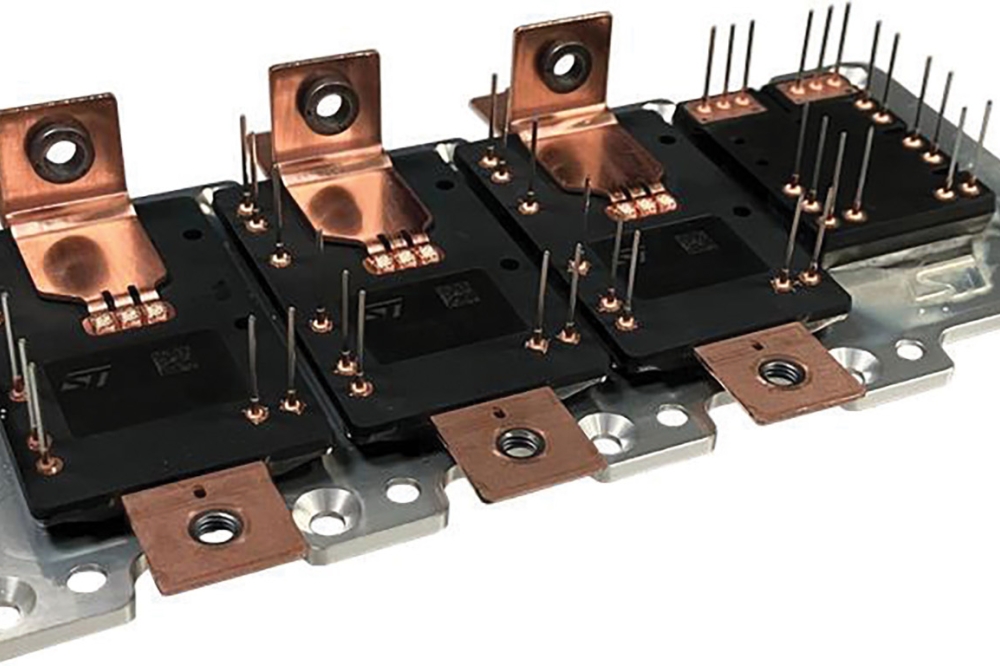
The partners are Weeteq (validating AI microcontroller in automotive applications); Oxford PV (developing automotive solar modules); Ricardo (delivering advanced, low-cost, GaN traction inverter); RAM Innovations (developing competency in building high-power GaN modules); University of Bristol (ollaborating with industry on semiconductor analysis); Newcastle University (co-creating a digital ecosystem for V2G forecasting); University of Nottingham (advanced design and control of current source inverters): University of Oxford (researching advanced materials for next gen solar cells); and University College London (modelling electricity networks for the optimisation of V2G).
Backed by the UK Government’s £4 billion DRIVE35 programme, delivered by the Department for Business and Trade in partnership with the Advanced Propulsion Centre UK (APC) and Innovate UK, the project aims to deliver a number breakthrough technologies.
- Vehicle‑integrated tandem solar panels to help drivers go further on each charge by topping up the battery with renewable energy and helping reduce energy bills at home.
- An Intelligent Charging Management System (ICMS) to manage customer’s electrical consumption and put renewable energy back into the electrical grid when not in use.
- A bidirectional Automated Charging Device (ACD) for Vehicle‑to‑Grid (V2G) connections in real world conditions, improving access to V2G charging and delivering hands-free accessibility of EV charging while maintaining a connection to the grid.
- A high‑efficiency GaN traction inverter with AI enhanced controls, helping EVs use energy more efficiently, delivering high performance at lower costs to customers.
- Bringing them all together to create an integrated package, combining efficient power electronics, onboard solar, intelligent charging and V2G capability, ready for real-world testing and demonstration.
The project is already underway using new 100 percent electric Nissan LEAFs as test vehicles.
David Moss, SVP, R&D, Nissan Africa, Middle East, India, Europe and Oceania (AMIEO) said: “This project highlights the strength of UK innovation and marks a significant step towards the next generation of integrated energy technologies for electric vehicles.
“Through close collaboration with industry and academic partners, we are advancing solutions that lower the cost of ownership, improve efficiency and deliver greater value for customers.”
“From enhanced V2G capability to high ‑performance inverters and solar assisted charging, these developments reinforce the UK’s role in building a smarter, more resilient energy ecosystem. Together, we are laying the groundwork for future electrified products and reaffirming our commitment to making electric mobility more accessible, convenient and sustainable for all.”
Ian Constance, CEO, Advanced Propulsion Centre UK (APC), said: “Collaborative projects demonstrate the UK’s determination to lead the shift to zero-emission mobility. By facilitating the UK Government’s DRIVE35 grants, we are turning world-class innovation into industrial capability. With our partners in DBT and Innovate UK, we are backing manufacturers, empowering SMEs, and strengthening the UK’s sovereign supply chain.
"This multi-million pound support package is more than an investment in technology; it is an investment in the people, skills, and companies that will define the future of clean transport. Together, we are building the foundations of a competitive, resilient, and sustainable automotive industry.”