IEEE awards London academic for work on smarter grids
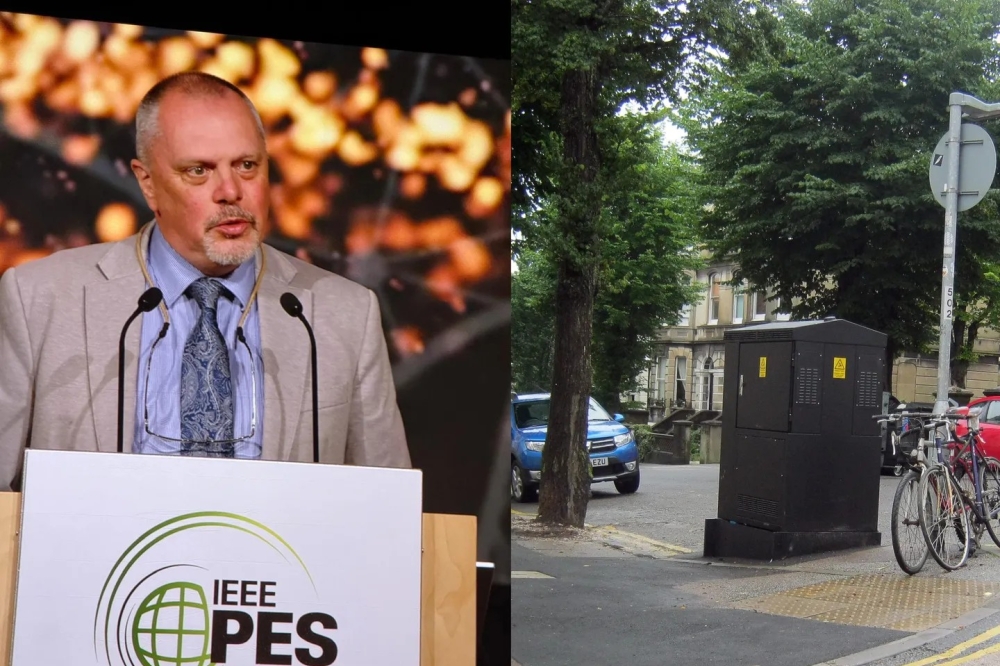
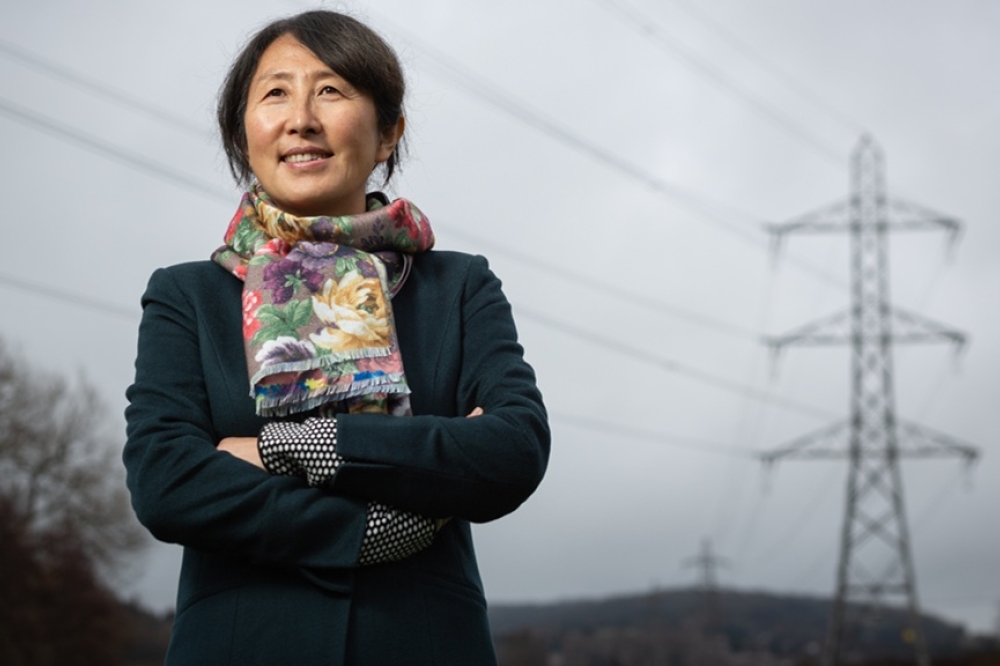
Tim Green, head of Imperial College London's Department of Electrical and Electronic has been recognised with an IEEE award for his pioneering work to make electricity networks more flexible and better able to support the transition to net zero.
The IEEE Power & Energy Society’s Douglas M. Staszesky Distribution Automation Award is for his contributions to power-electronic technologies that give operators greater control over the distribution of electricity.
“We may think of the electricity network as the pylons we see from the motorway,” Green explains, “but just as important are the local substations tucked into neighbourhoods and the cables running beneath our streets. As millions of homes adopt rooftop solar panels, electric vehicles and heat pumps, those local networks will need to carry far more electricity.”
Green estimates that neighbourhood demand could increase by 50 to 70 percent as gas boilers are replaced and more drivers switch to electric vehicles. At the same time, rooftop solar panels mean electricity increasingly travels from homes back into the network, as well as from the network into homes.
“When people think about upgrading the electricity network, they often imagine building more infrastructure. Replacing thousands of kilometres of underground cable and upgrading local substations across the country would be unimaginably expensive and disruptive. An important question is how we can make much smarter use of what’s already there.”
Powering more flexible networks
That question has shaped Green’s research for around 16 years. His work uses power electronics to unlock capacity within electricity distribution networks.
When demand rises, some parts of a network may become overloaded while capacity elsewhere remains unused. By redirecting electricity between them, operators can relieve congestion and connect more low-carbon technologies without immediately resorting to costly conventional upgrades.
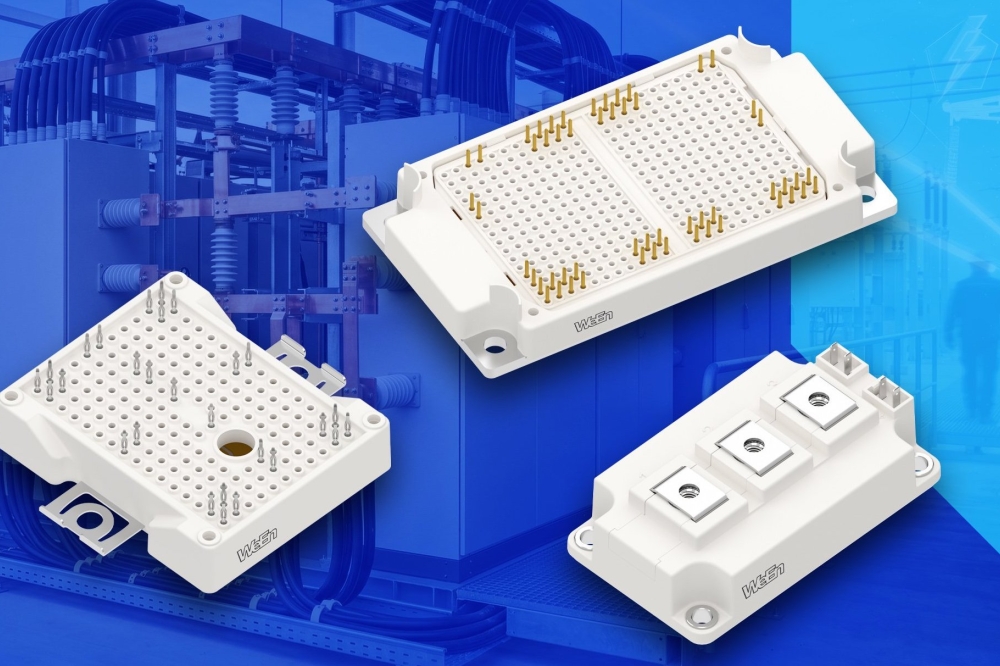
Among Green's most influential contributions is the development of Soft Open Points. Housed in roadside electricity cabinets, these power-electronic systems actively control the connections between neighbouring parts of the network.
Unlike a conventional switch, which simply opens or closes a connection, a Soft Open Point can continuously adjust how much electricity passes between different areas as their needs change throughout the day.
From research to roadside
Working with UK Power Networks, Green’s team demonstrated the technology through field trials in Brighton and London.
In Brighton, twelve Soft Open Points helped balance the contrasting demands of residential neighbourhoods and the city centre. A further twelve were installed in London, including around Piccadilly, showing how this approach could create additional flexibility in a complex urban network.
The research built on Green’s earlier leadership of the EPSRC-funded Top and Tail Grand Challenge programme. Bringing together researchers from eight UK universities, the programme explored how power electronics could reshape the electricity system, from national transmission to local distribution, and helped establish concepts that now underpin increasingly flexible networks.
The Douglas M. Staszesky Distribution Automation Award recognises engineers whose technological innovations have delivered significant advances in the automation of electricity distribution systems.
Department colleague and IEEE PES President Elect Bikash Pal added his congratulations: “Tim’s work has consistently combined fundamental engineering with practical application. His research has influenced the academic direction of the field and demonstrated technologies that could make electricity networks more flexible and resilient. This award very rightly reflects Tim’s world-leading work and impact in power distribution automation, which is at the core of resilient energy system operation.”
Nigel Brandon, Dean of the Faculty of Engineering, said: “This is richly deserved recognition for all of Tim’s contributions to the field of power systems, which is such a critical part of the transition to a low-carbon energy system.”