
Power electronics at a crossroads?
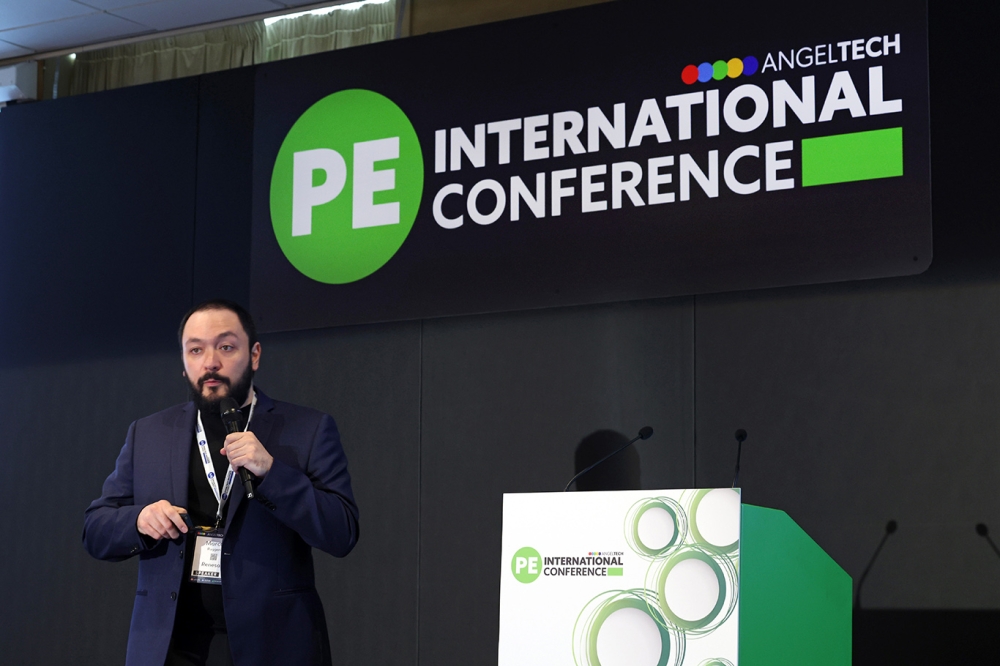
The PE International Conference, part of the highly
successful ANGELTECH event held earlier this year, highlighted the technologies
shaping the power electronics industry. From automotive electrification and
AI-driven data centre densification to engineering innovation with wide band
gap (WBG) devices and power semiconductors for the future grid, the programme
painted a clear picture of an industry undergoing rapid systems-level
transformation.
The automotive sessions demonstrated how electrification is reshaping vehicle architecture around power electronics, with SiC and GaN technologies enabling higher efficiency, faster charging and more intelligent energy management. The AI infrastructure discussions revealed that data centres are entering a new era of extreme power density, where cooling, energy delivery, batteries and intelligent infrastructure must operate as fully integrated systems to support GPU-driven workloads.
Meanwhile, the WBG-focused presentations highlighted how silicon carbide and gallium nitride are moving from emerging technologies into mainstream deployment across automotive, industrial, renewable energy and digital infrastructure applications. The power grid theme reinforced how advanced semiconductors are becoming critical to future energy infrastructure, supporting renewable integration, intelligent grid management, HVDC systems and more efficient power conversion.
Collectively, the conference reinforced that future competitiveness across multiple industries will depend on the ability to combine advanced semiconductors, thermal management, power conversion, packaging, manufacturing scalability and intelligent control into highly efficient, resilient and scalable systems.
Putting the automotive industry in pole position
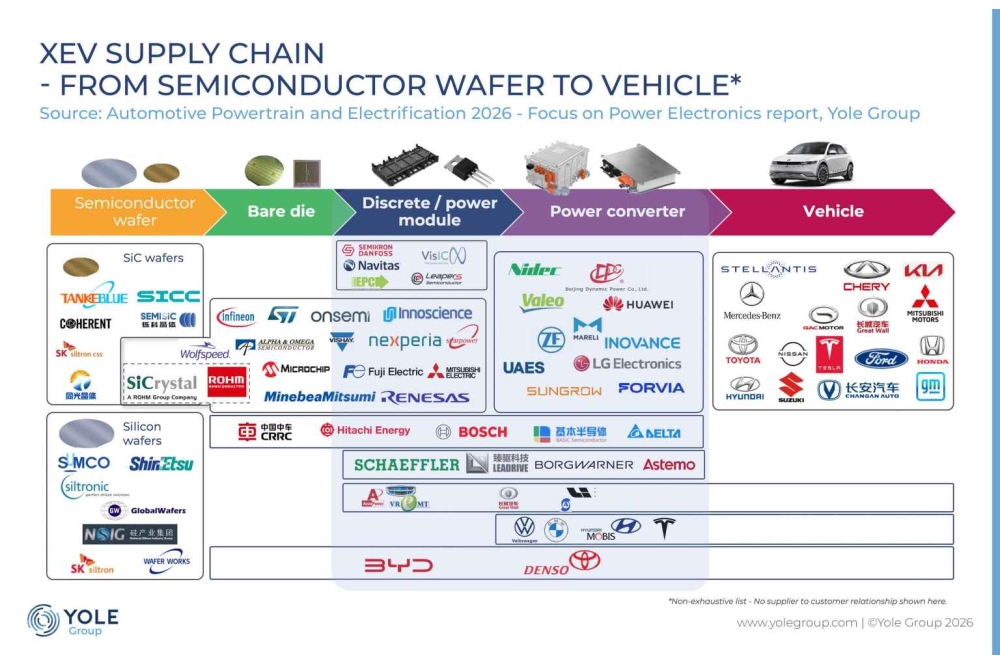
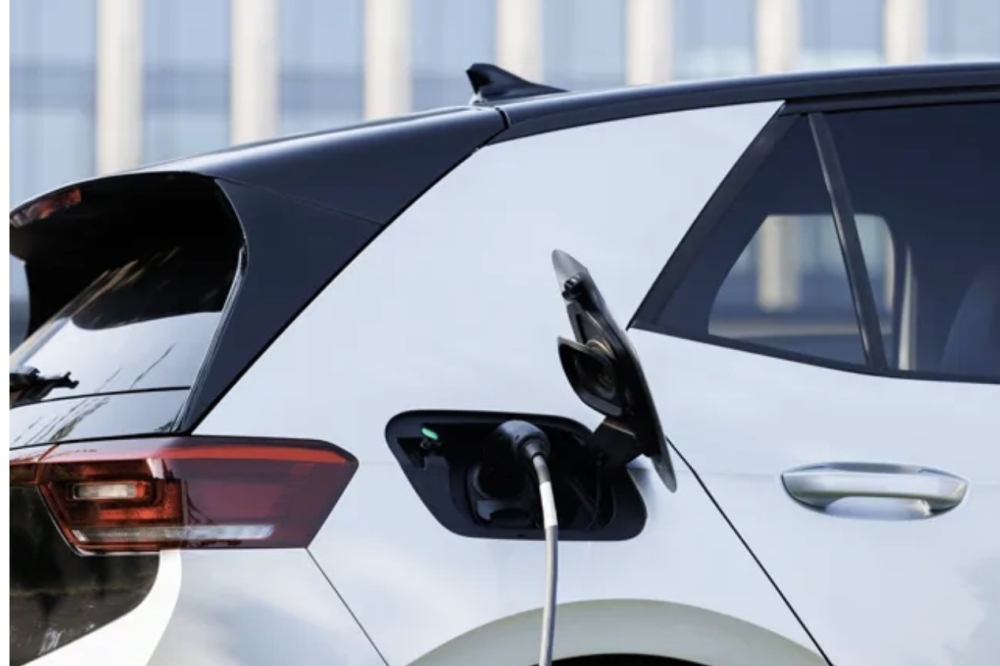
At PE International’s “Putting the Automotive Industry in Pole Position” theme, one message came through clearly: the automotive sector is now one of the most important battlegrounds for the future of power electronics. Across the presentations, speakers explored how electrification, energy efficiency, supply chain resilience, and semiconductor innovation are reshaping the global automotive landscape.
The theme focused heavily on the transition from traditional internal combustion engines toward electrified mobility platforms. While battery electric vehicles remain central to long-term decarbonisation goals, the discussions recognised that the market is becoming more nuanced. Hybrid systems, plug-in hybrids, and advanced powertrain architectures are all playing a role as OEMs balance cost, infrastructure readiness, consumer demand, and regulatory pressure. The result is a rapidly diversifying automotive ecosystem where power electronics sit at the centre of vehicle performance, efficiency, and reliability.
A major theme throughout the event was the growing strategic importance of wide band gap semiconductor materials such as silicon carbide (SiC) and gallium nitride (GaN). These technologies are increasingly enabling higher switching frequencies, reduced thermal losses, improved efficiency, and more compact power conversion systems. For automotive manufacturers, this translates directly into longer driving range, faster charging, reduced system weight, and more efficient energy management.
The presentations also highlighted how the vehicle is evolving into a highly integrated electrical architecture. Modern EV platforms are no longer simply mechanical systems with electronic add-ons. Instead, they are becoming software-defined, power-managed systems requiring sophisticated integration between semiconductors, modules, thermal management, sensing, battery systems, and digital controls. This convergence is driving collaboration across the semiconductor, packaging, automotive, and energy sectors.
Another significant discovery was the extent to which automotive electrification is influencing the broader industrial ecosystem. Supply chain resilience emerged as a recurring concern, particularly around critical materials, semiconductor manufacturing capacity, and battery production.
Europe’s automotive industry faces growing pressure from global competition while simultaneously trying to accelerate electrification targets and localise manufacturing capabilities. Discussions reflected wider industry concerns that competitiveness, sustainability, and industrial policy are now inseparable.
Thermal management and power density were also key technical themes. As EV architectures move toward higher voltage systems, including 800V platforms, engineers are being challenged to manage increasingly demanding thermal loads while maintaining reliability and safety. The conference explored how advanced packaging, cooling technologies, and module integration are becoming critical enablers of next-generation vehicle platforms.
Importantly, the event reinforced that automotive innovation is no longer isolated within OEMs. Utilities, charging infrastructure providers, semiconductor manufacturers, materials companies, and software developers are now part of the same interconnected ecosystem. The automotive sector is becoming a systems-level industry where energy infrastructure, grid stability, battery technology, and intelligent power management all intersect.
Ultimately, “Putting the Automotive Industry in Pole Position” positioned power electronics as the enabling foundation of the automotive transition. The conference demonstrated that future vehicle leadership will not be defined solely by mechanical engineering or manufacturing scale, but by the ability to integrate advanced semiconductors, intelligent energy systems, and resilient supply chains into highly efficient electrified platforms. In that sense, the event captured a broader industrial reality: the race for automotive leadership is increasingly a race for power electronics leadership.
Delivering AI-driven data centre densification
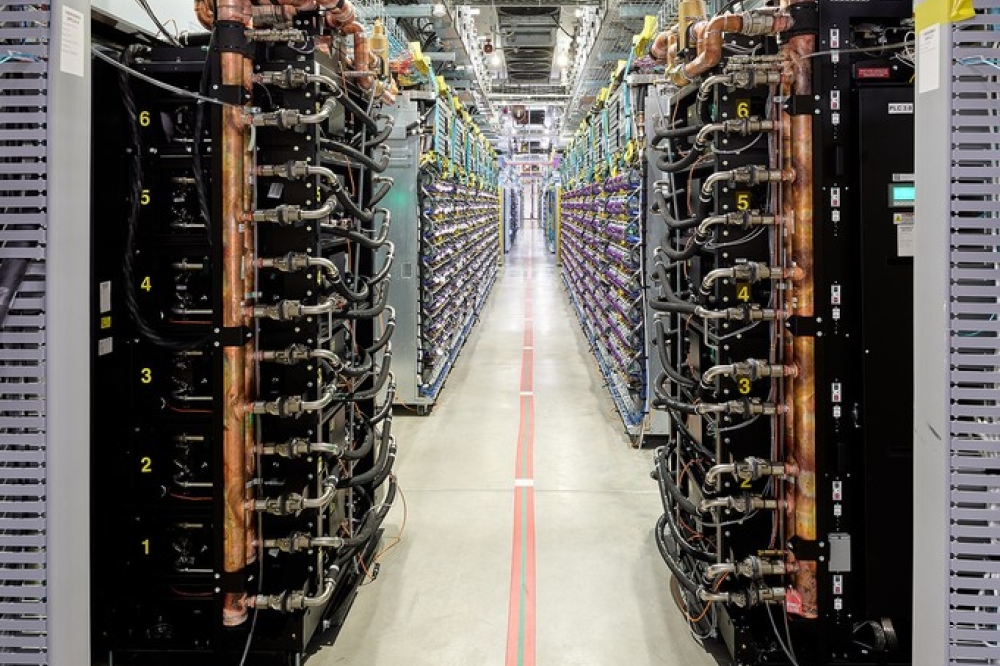
Artificial intelligence is fundamentally reshaping the data centre industry, and the “Delivering AI-driven Data Centre Densification” theme at PE International highlighted just how quickly infrastructure requirements are changing. Across the presentations, one message became clear: AI is not simply increasing compute demand. It is redefining power architecture, thermal management, rack density, energy strategy, and the entire operational model of the modern data centre.
The conference explored how AI workloads are driving an unprecedented increase in power density. Traditional enterprise data centres were historically designed around racks operating at 5–10kW. AI clusters, however, are now pushing well beyond 30kW, 50kW and in some cases exceeding 100kW per rack. This shift is forcing operators, infrastructure providers and technology vendors to rethink almost every aspect of facility design.
One of the key lessons from the presentations was that densification is no longer purely about fitting more compute into the same physical footprint. Instead, it has become an exercise in balancing power delivery, thermal stability, energy efficiency and operational resilience simultaneously. AI infrastructure introduces highly dynamic load profiles that differ significantly from traditional workloads. GPU clusters create rapid and unpredictable power spikes, placing new stress on UPS systems, batteries, cooling infrastructure and grid connectivity.
As a result, power electronics are becoming central to the future of AI infrastructure. Multiple presentations highlighted how the sector is moving toward more sophisticated power conversion architectures capable of delivering higher efficiency and faster transient response. Wide band gap semiconductor technologies such as silicon carbide and gallium nitride featured prominently because of their ability to improve switching efficiency, reduce losses and support higher power densities within more compact systems.

Thermal management emerged as one of the defining technical challenges of AI-driven densification. Traditional air-cooling approaches are increasingly struggling to support the thermal loads generated by advanced AI accelerators.
Several presentations focused on the transition toward liquid cooling technologies, including direct-to-chip cooling and immersion cooling strategies. These approaches are rapidly moving from niche deployments into mainstream hyperscale planning.
What became particularly apparent was that cooling is no longer an isolated mechanical issue. Instead, it is becoming deeply integrated with power strategy and overall system architecture. Higher rack densities require closer coordination between cooling systems, electrical infrastructure and building design. Operators are now being forced to think holistically about how power and heat interact across the entire facility.
Energy availability and grid interaction also featured heavily throughout the conference. AI-driven data centre growth is occurring at a time when many regions are already facing grid constraints and rising electricity demand. Presenters repeatedly stressed that access to reliable power is becoming one of the most important determinants of future data centre deployment. This is creating growing interest in alternative energy strategies, microgrids, on-site generation and battery-backed resilience models. Several speakers highlighted how data centres are increasingly behaving like active participants within wider energy ecosystems rather than passive consumers of electricity. Intelligent energy management, load balancing and real-time optimisation are becoming critical operational capabilities.
Another major lesson from the event was the increasing convergence between digital infrastructure and industrial engineering. Delivering AI-scale facilities now requires deep collaboration across power engineering, semiconductor technology, cooling, software management, construction and energy planning. The traditional boundaries between IT infrastructure and industrial infrastructure are rapidly disappearing.
The presentations also explored how AI itself is being used to optimise data centre operations. AI-driven monitoring systems are increasingly capable of predicting thermal hotspots, managing energy efficiency, optimising workloads and improving preventative maintenance. This creates a feedback loop where AI infrastructure not only consumes vast amounts of compute power but also becomes essential to managing the complexity of that infrastructure efficiently.
Importantly, the conference highlighted the growing role of advanced batteries and energy storage technologies in supporting AI workloads. Traditional backup power assumptions are evolving. Instead of simply providing emergency power during outages, modern battery systems are increasingly expected to respond dynamically to rapid load fluctuations created by AI processing demands. Fast-response power delivery is becoming just as important as resilience. Supply chain resilience and manufacturing scalability also emerged as major concerns. AI infrastructure growth is placing enormous pressure on semiconductor supply chains, power component manufacturing and cooling technology deployment. Several presentations reflected broader industry concerns around how quickly the ecosystem can scale to meet demand while maintaining reliability, efficiency and sustainability.
Sustainability itself was another recurring theme. AI workloads are dramatically increasing energy consumption, placing pressure on operators to improve efficiency metrics while continuing to scale compute capacity. This is accelerating interest in higher-voltage distribution architectures, advanced power management systems and more efficient cooling technologies.
The discussions also revealed a significant change in data centre design philosophy. Historically, facilities were often optimised around redundancy and uptime. While resilience remains essential, AI infrastructure is increasingly demanding optimisation around power efficiency, scalability and workload flexibility. Operators are now being forced to design for continuous evolution as AI hardware, cooling requirements and energy demands change at unprecedented speed.
One particularly important takeaway was that AI-driven densification is not solely a hyperscaler issue. Enterprise operators, colocation providers and edge infrastructure companies are all beginning to face similar challenges as AI workloads expand beyond centralised cloud environments. This means the entire industry must adapt to a future where high-density compute becomes increasingly normalised.
The conference also reinforced the strategic importance of infrastructure planning at a regional and national level. Data centres are now central components of economic competitiveness, AI capability and digital sovereignty. Governments, utilities and infrastructure providers are becoming more deeply involved in questions around energy access, planning approvals and long-term infrastructure investment.
Ultimately, the “Delivering AI-driven Data Centre Densification” theme demonstrated that the future of data centres will be defined by integrated systems thinking. Success will depend on the ability to coordinate power electronics, cooling, energy management, semiconductors, batteries, software intelligence and grid interaction as part of a unified infrastructure platform.
The presentations made clear that AI is no longer simply another workload category. It is a structural force transforming the physical and operational foundations of digital infrastructure itself. As rack densities rise, energy demands increase and infrastructure complexity grows, the industry is entering a new era where efficiency, resilience and intelligent power management will determine competitive advantage.
Engineering innovation with WBG devices, circuits and materials
The “Engineering Innovation with WBG Devices, Circuits and Materials” theme at PE International highlighted how wide band gap (WBG) technologies are rapidly moving from emerging innovation to mainstream industrial deployment. Across the presentations, the conference explored how silicon carbide (SiC) and gallium nitride (GaN) are transforming power electronics at device, circuit and systems level, enabling a new generation of higher efficiency, higher power density and higher performance applications.
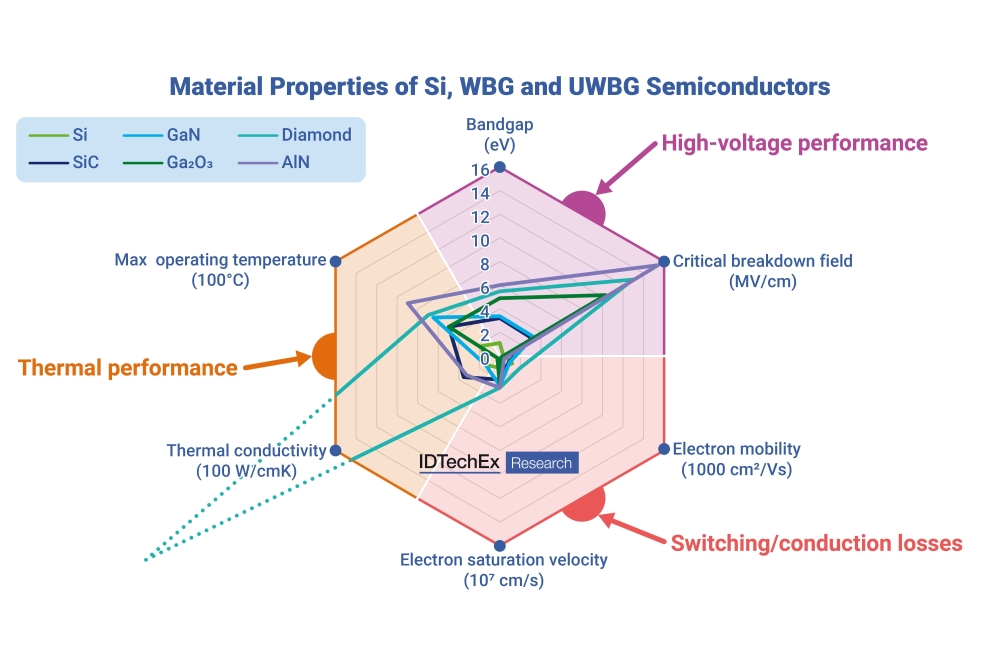
One of the clearest lessons from the presentations was that WBG materials are no longer viewed simply as replacements for silicon. Instead, they are becoming enabling technologies that fundamentally change how power systems are designed. Their ability to operate at higher voltages, higher temperatures and higher switching frequencies allows engineers to rethink converter architectures, thermal strategies and overall system integration.
The conference repeatedly demonstrated that the adoption of WBG technologies is accelerating because traditional silicon is approaching practical performance limits in many applications. Electrification trends across automotive, renewable energy, industrial automation, aerospace and data centres are demanding greater efficiency and increased power density simultaneously. WBG devices are increasingly viewed as essential to meeting those requirements.

Silicon carbide emerged as one of the dominant themes throughout the event. Multiple presentations explored its growing role in electric vehicle traction inverters, high-voltage power conversion and fast-charging infrastructure. SiC’s lower switching losses and higher thermal conductivity enable smaller passive components, reduced cooling requirements and improved overall system efficiency. For automotive applications, this translates directly into increased driving range, faster charging capability and reduced system weight.
The conference also highlighted how SiC is reshaping high-power industrial applications beyond automotive. Renewable energy systems, grid infrastructure and industrial motor drives are all benefiting from the efficiency improvements made possible by higher switching frequencies and reduced energy losses. As global electrification accelerates, these efficiency gains become increasingly important at system level.
Gallium nitride was another major focus, particularly in applications where high-frequency switching and compact system design are critical. Presenters demonstrated how GaN devices are enabling smaller, lighter and faster power conversion systems, particularly in consumer electronics, telecoms and emerging AI infrastructure. GaN’s ability to operate efficiently at extremely high switching frequencies opens opportunities for miniaturisation that are difficult to achieve with silicon or even silicon carbide in certain applications.
A recurring lesson from the conference was that the real innovation is no longer occurring solely at the device level. Instead, the greatest engineering challenges and opportunities are now emerging around system integration. WBG devices require new approaches to gate driving, electromagnetic interference management, thermal engineering, packaging and circuit design. Several presentations emphasised that simply replacing silicon devices with SiC or GaN equivalents does not automatically deliver optimal performance. Engineers must redesign converter topologies, control strategies and packaging approaches to fully exploit the capabilities of WBG materials. This systems-level engineering challenge is becoming one of the defining themes of modern power electronics.
Advanced packaging technologies also featured prominently throughout the discussions. As switching speeds increase and power densities rise, packaging increasingly determines overall device reliability and performance. Presenters explored innovations in module integration, interconnect technologies, thermal interfaces and substrate materials designed to support next-generation WBG systems.
Thermal management was another critical topic. Although WBG devices operate more efficiently than silicon, the increased power densities they enable create new thermal engineering challenges. Several presentations examined how advanced cooling strategies, materials engineering and package design are becoming essential for maintaining reliability in high-performance systems.
Reliability and manufacturability were recurring concerns across the conference. While WBG devices offer major performance advantages, large-scale adoption requires consistent manufacturing quality, predictable long-term behaviour and scalable production capacity. Discussions reflected the industry’s growing focus on defect reduction, wafer quality improvement and process maturity as SiC and GaN move into mass-market applications.

Supply chain resilience also emerged as an important issue. As demand for WBG devices accelerates globally, manufacturers are facing growing pressure around substrate availability, epitaxial growth capacity and fabrication scalability. Several presentations highlighted the strategic importance of securing regional semiconductor manufacturing capabilities, particularly within Europe and North America.
One particularly important lesson from the event was the increasing convergence between materials science and systems engineering. Progress in WBG technologies is no longer driven solely by semiconductor physics. Instead, innovation now depends on coordination across crystal growth, epitaxy, device fabrication, packaging, thermal engineering, circuit design and software control.
The conference also demonstrated how WBG technologies are enabling broader trends in electrification and sustainability. Improved efficiency at device level translates into substantial energy savings when deployed across large-scale industrial systems, EV fleets or energy infrastructure. As global electricity demand continues to rise, these incremental efficiency gains become strategically significant.
Artificial intelligence and data centre infrastructure also appeared as emerging application areas for WBG technologies. Higher efficiency power conversion is becoming increasingly critical as AI workloads drive rapid increases in data centre power consumption. WBG devices are enabling more compact and efficient power delivery systems capable of supporting these next-generation compute environments.
Importantly, the presentations reinforced that WBG adoption is now transitioning from early-stage experimentation into commercial scale deployment. Automotive platforms, renewable energy systems and industrial power architectures are increasingly being designed around SiC and GaN from the outset rather than treating them as optional upgrades.
The conference also highlighted the growing importance of collaboration across the ecosystem. Device manufacturers, materials suppliers, packaging specialists, OEMs and research institutions are all contributing to accelerating WBG deployment.
The pace of innovation is increasingly being driven by ecosystem-level integration rather than isolated technology development. Ultimately, “Engineering Innovation with WBG Devices, Circuits and Materials” demonstrated that wide band gap technologies are becoming foundational to the future of power electronics. The event showed that SiC and GaN are not simply incremental improvements over silicon, but technologies capable of reshaping how energy is converted, managed and distributed across multiple industries.
As electrification accelerates globally, WBG materials are emerging as critical enablers of higher efficiency, greater power density and more intelligent energy systems. The conference made clear that future leadership in power electronics will depend not only on advances in semiconductor devices themselves, but on the ability to integrate materials, circuits, packaging and systems engineering into highly optimised next-generation platforms.
Ensuring a renewable, sustainable future
This conference theme explored how next-generation power semiconductors will play a critical role in enabling the future electrical grid. As electrification accelerates across transport, industry, renewable energy and AI infrastructure, grid systems are being placed under increasing pressure to deliver greater efficiency, resilience and flexibility.
The presentation highlighted how wide band gap technologies such as silicon carbide (SiC) and gallium nitride (GaN) are becoming essential for modern grid infrastructure. Their ability to operate at higher voltages, temperatures and switching frequencies enables more efficient power conversion, reduced energy losses and more compact system designs. These capabilities are increasingly important as utilities integrate renewable energy sources, battery storage and distributed power generation into existing networks.
A key lesson from the session was that future grids will require far more intelligent and dynamic power management. Advanced semiconductors are enabling faster switching, improved control systems and higher power density across applications such as HVDC transmission, renewable energy integration, fast charging infrastructure and smart substations. The presentation also reinforced the importance of manufacturing scalability and supply chain resilience. As global electricity demand rises, the ability to produce reliable, high-performance semiconductor technologies at
industrial scale will become increasingly important.
Ultimately, the session demonstrated that power semiconductors are becoming foundational technologies for delivering a more efficient, flexible and electrified energy future.